
What is the Peptide Therapeutics Market Size in 2026?
The global peptide therapeutics market is witnessing strong momentum, projected to grow significantly from USD 43.2 billion in 2024 to approximately USD 96.8 billion by 2034, expanding at a CAGR of 9.5% during the forecast period. The surge is largely driven by increasing adoption of targeted therapies, rising prevalence of metabolic disorders, and continuous advancements in peptide engineering technologies.
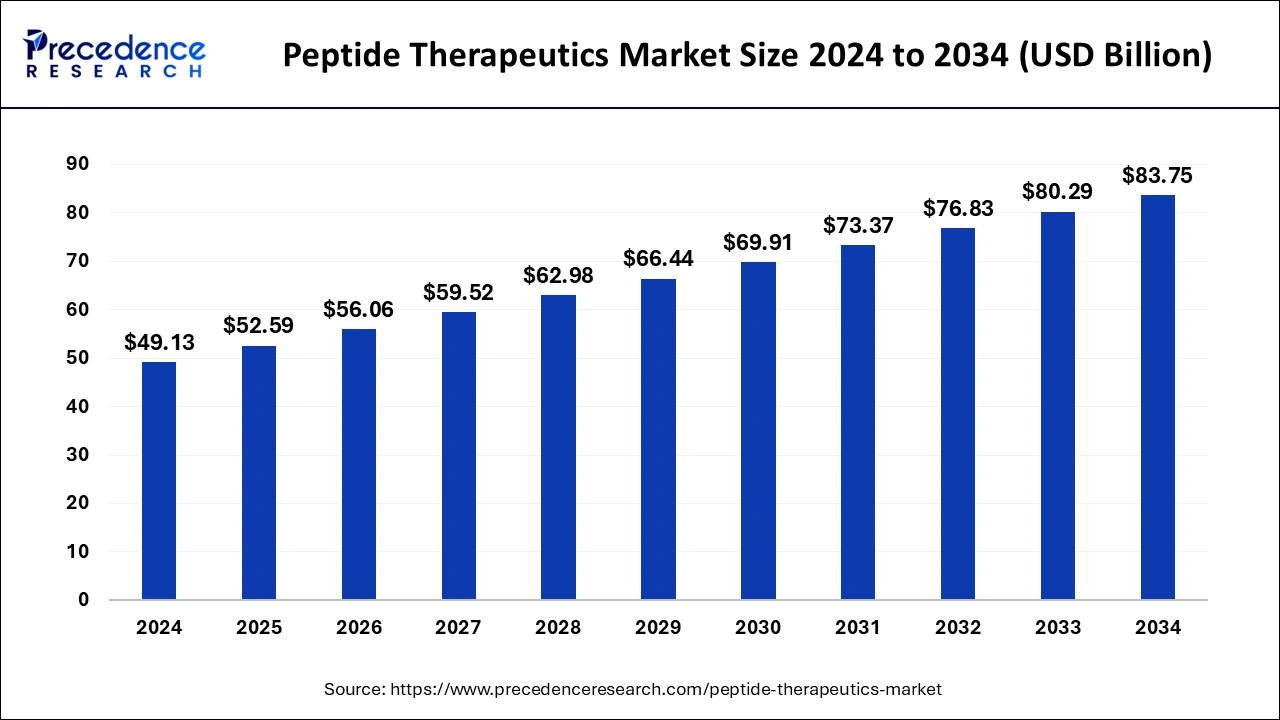
Peptide-based drugs are gaining traction as they offer higher specificity, lower toxicity, and better safety profiles compared to traditional small molecules. Growing investments in biotechnology, coupled with regulatory support for innovative biologics, are further strengthening the market landscape.
What’s Driving the Peptide Therapeutics Market?
The peptide therapeutics market was valued at USD 43.2 billion in 2024 and is expected to reach nearly USD 96.8 billion by 2034, indicating strong long-term growth potential. North America currently dominates the market due to advanced healthcare infrastructure and high R&D investments. Asia Pacific is anticipated to witness the fastest growth owing to expanding pharmaceutical manufacturing and rising healthcare access. Among therapeutic areas, oncology and metabolic disorders account for a significant share. Leading players include Eli Lilly and Company, Pfizer Inc., Amgen Inc., and Novo Nordisk A/S.
How is Artificial Intelligence Transforming the Peptide Therapeutics Market?
Artificial intelligence is playing a transformative role in accelerating peptide drug discovery and development. AI-powered platforms enable rapid identification of peptide sequences, prediction of binding affinities, and optimization of therapeutic efficacy. This significantly reduces the time and cost associated with traditional drug discovery pipelines.
Additionally, machine learning algorithms are enhancing clinical trial design by identifying suitable patient cohorts and predicting treatment responses. This not only improves success rates but also supports personalized medicine approaches, making peptide therapeutics more efficient and commercially viable.
What are the Key Growth Factors of the Market?
The growth of the peptide therapeutics market is fueled by increasing incidence of chronic diseases such as cancer, diabetes, and cardiovascular disorders. Peptides offer a promising alternative due to their high specificity and minimal side effects.
Technological advancements in peptide synthesis and delivery systems have further expanded their applications. Moreover, rising investments in biotechnology and favorable regulatory frameworks are accelerating product approvals and commercialization.
Another major factor is the growing demand for personalized medicine, where peptides play a crucial role due to their ability to target specific biological pathways.
Market Scope
| Report Coverage | Details |
| Market Size in 2025 | USD 52.59 Billion |
| Market Size in 2026 | USD 56.06 Billion |
| Market Size by 2035 | USD 87.21 Billion |
| Growth Rate from 2026 to 2035 | CAGR of 5.19% |
| Largest Market | North America |
| Base Year | 2025 |
| Forecast Period | 2026 to 2035 |
| Segments Covered | By Application, By Type, By Route of Administration, By Distribution Channel and By Synthesis Technology |
| Regions Covered | North America, Europe, Asia-Pacific, Latin America and Middle East & Africa |
What Opportunities and Trends are Shaping the Market?
Are Novel Drug Delivery Systems Creating New Growth Avenues?
Yes, advancements in drug delivery technologies such as oral peptides, transdermal systems, and sustained-release formulations are significantly enhancing patient compliance and expanding market potential.
Is the Rise of Biosimilars Influencing Market Dynamics?
Absolutely. The increasing development of peptide-based biosimilars is reducing treatment costs and improving accessibility, particularly in emerging markets.
How is Expansion into New Therapeutic Areas Driving Growth?
Peptide therapeutics are increasingly being explored beyond traditional applications into areas like infectious diseases, rare disorders, and neurological conditions, opening new revenue streams.
Expert Perspective
“Peptide therapeutics represent a critical intersection of precision medicine and biotechnology innovation. With advancements in AI and delivery systems, we are entering a phase where peptides will redefine treatment paradigms across multiple disease areas,” says a fictional Principal Consultant at Precedence Research.
Regional Insights: Where is the Market Expanding Fastest?
North America leads the global peptide therapeutics market, driven by strong R&D capabilities, presence of major pharmaceutical companies, and early adoption of advanced therapies. The U.S. remains the key contributor due to robust clinical pipelines and regulatory support.
Europe follows closely, benefiting from increasing investments in biologics and favorable healthcare policies. Meanwhile, Asia Pacific is emerging as the fastest-growing region, supported by expanding pharmaceutical manufacturing, rising healthcare expenditure, and growing awareness about advanced therapies in countries like China and India.
Segmental Analysis: Which Areas are Leading the Market?
By type, generic peptides hold a significant share due to their cost-effectiveness and widespread availability. However, innovative peptides are gaining traction as companies focus on developing novel therapies with enhanced efficacy.
In terms of application, oncology dominates the market, driven by increasing cancer prevalence and demand for targeted treatments. Metabolic disorders, including diabetes, also represent a major segment due to the growing global burden.
Route of administration analysis indicates that parenteral delivery remains dominant, though oral peptide formulations are gaining attention due to improved patient convenience.
Competitive Landscape and Recent Developments
Leading companies in the peptide therapeutics market are focusing on strategic collaborations, product launches, and technological innovations. Key players include:
Eli Lilly and Company
Pfizer Inc.
Amgen Inc.
Novo Nordisk A/S
Takeda Pharmaceutical Company Limited
Teva Pharmaceutical Industries Ltd.
AstraZeneca PLC
Recent breakthroughs include the development of long-acting peptide drugs and advancements in peptide conjugates, which enhance therapeutic targeting and efficacy.
What Challenges are Impacting Market Growth?
Despite promising growth, the market faces challenges such as high production costs and complex manufacturing processes. Peptide synthesis requires specialized technologies, making it expensive compared to conventional drugs.
Additionally, stability issues and limited oral bioavailability remain key concerns. Regulatory hurdles and stringent approval processes also pose challenges for new entrants.
Market Dynamics
Driver: Rising Incidence of Metabolic Disorders
The growing prevalence of metabolic disorders is a major factor driving the peptide therapeutics market. Metabolic homeostasis is essential for maintaining normal physiological functions, and it is regulated by complex biological pathways. Disruptions in these pathways can lead to conditions such as diabetes and obesity.
In recent years, peptide-based drugs have emerged as highly effective treatments for metabolic disorders, with several achieving blockbuster status in the pharmaceutical industry. These peptides play a critical role in regulating metabolic processes and can modulate both inflammatory and anti-inflammatory responses, making them highly valuable in disease management.
Restraint: High Cost of Drug Development
Despite strong market potential, the high cost of drug development remains a significant challenge. Developing peptide therapeutics involves substantial investment, particularly in clinical trials, which account for a large share of total costs.
As healthcare systems face increasing pressure to control expenses, the rising cost of bringing new drugs to market makes it difficult for companies to innovate and introduce new therapies. This financial burden can slow down the development of novel treatments and limit accessibility.
Opportunity: Growth of Minimally Invasive Therapies
The expansion of minimally invasive therapies presents a significant opportunity for the peptide therapeutics market. These approaches offer numerous benefits, including:
Smaller incisions and reduced scarring
Faster recovery times and shorter hospital stays
Lower risk of complications and infections
Reduced pain and need for narcotics
Improved surgical precision and outcomes
Such advantages are increasing patient preference for less invasive treatment options, thereby supporting the adoption of peptide-based therapies.
Segment Insights
Application Insights
Growing Demand for Metabolic Disorder Treatments
The metabolic disorders segment dominated the market in 2025, driven by the increasing prevalence of diabetes and obesity. Peptide therapeutics offer high specificity and strong safety profiles, enabling effective long-term disease management in both inpatient and outpatient settings.
Fastest Growth in Gastrointestinal Disorders
Gastrointestinal (GI) disorders represent the fastest-growing application segment. The rising incidence of conditions such as inflammatory bowel disease and functional GI disorders is driving demand. Advances in peptide stability and targeted delivery are improving patient outcomes and accelerating clinical adoption.
Type Insights
Dominance of Innovative Peptides
Innovative peptide therapeutics lead the market due to their proven clinical effectiveness, novel mechanisms of action, and strong investment in research and development. These therapies often command higher prices but deliver significant value in treating chronic diseases.
Growth of Generic Peptides
Generic peptide therapeutics are the fastest-growing segment. As patents expire and manufacturing technologies advance, production costs are decreasing. This is encouraging wider adoption, particularly in cost-sensitive markets and for long-term treatments.
Route of Administration Insights
Parenteral Administration Leads
Parenteral administration (such as injections) remains the dominant route due to its high bioavailability and precise dosing. Many peptide drugs are not suitable for oral delivery because they are degraded in the digestive system, making injections the preferred method for treating conditions like cancer and metabolic disorders.
Rapid Growth of Oral Administration
Oral peptide delivery is the fastest-growing segment. Improvements in drug stability and the use of permeability enhancers are enabling more peptides to be administered orally. Additionally, patient preference for non-invasive treatments is driving this trend.
Distribution Channel Insights
Hospital pharmacies dominate the distribution of peptide therapeutics due to the need for specialized handling, administration, and physician supervision—especially in chronic and critical care settings.
Meanwhile, online pharmaceutical retailers are experiencing the fastest growth. Advances in digital health platforms and cold chain logistics, combined with patient preference for home delivery, are significantly expanding this channel.
Synthesis Technology Insights
Liquid-Phase Synthesis Dominates
Liquid-phase synthesis holds a large market share due to its ability to produce high-quality peptides at scale with strong yields. It is widely used for manufacturing complex and long peptide chains in commercial pharmaceutical production.
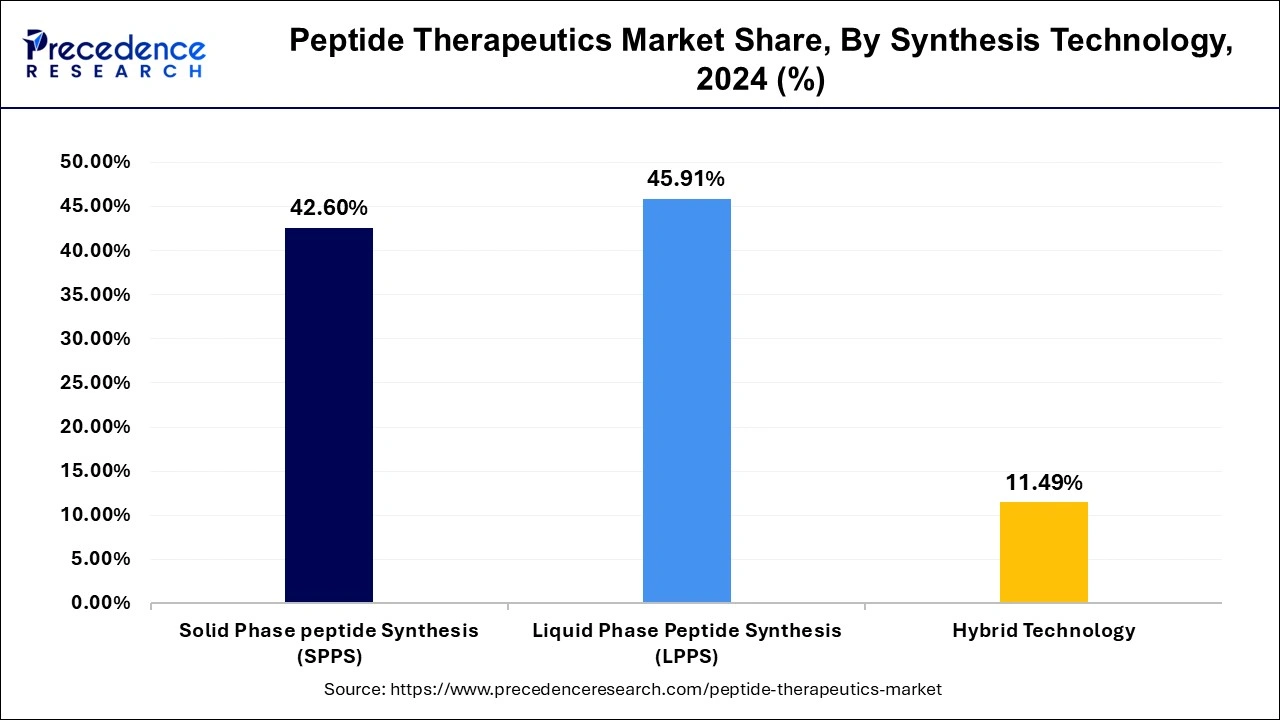
Rise of Solid-Phase Synthesis
Solid-phase synthesis is gaining traction due to automation, faster production timelines, and improved efficiency. It is particularly popular in research settings and small-batch production, supporting future market growth.
Regional Insights
North America Leads the Market
North America accounted for over 45% of global revenue in 2025, driven by strong demand for peptide therapies, particularly in oncology. The region benefits from advanced healthcare infrastructure, robust R&D investment, and a well-established biopharmaceutical industry.
The United States leads the regional market due to its strong clinical trial capabilities, supportive regulatory environment, and widespread adoption of innovative therapies.
Asia Pacific: Fastest Growing Region
Asia Pacific is expected to witness significant growth from 2026 to 2035. Factors driving this growth include:
Rising prevalence of diabetes and infectious diseases
Expanding healthcare and biotechnology sectors in countries like India and China
Availability of low-cost raw materials
China, in particular, is emerging as a key market due to government support, rapid advancements in biotech, and increasing demand for peptide therapies.
Latin America: Emerging Opportunity
Latin America is becoming an attractive market due to improving healthcare infrastructure and increasing access to advanced treatments. The growing burden of chronic diseases is driving demand for targeted therapies like peptides.
Brazil as a Regional Leader
Brazil leads the Latin American market, supported by a large patient population and a relatively advanced healthcare system. The country is increasingly adopting innovative therapies, especially in oncology and endocrinology, and is investing in local pharmaceutical manufacturing and clinical research.
Peptide Therapeutics Market Companies
- Eli Lilly & Company
- Amgen Inc.
- Pfizer, Inc.
- Ever Neuro Pharma GmbH
- Bausch Health
- Abbvie
Segments Covered in the Report
By Application
- Gastrointestinal Disorder
- Metabolic Disorder
- Neurological Disorder
- Cancer
- Others
By Type
- Generic
- Innovative
By Route of Administration
- Oral
- Parenteral
- Pulmonary
- Mucosal
- Others
By Distribution Channel
- Hospital Pharmacies
- Retail Pharmacies
- Online Drug Stores
By Synthesis Technology
- Solid Phase Peptide Synthesis (SPPS)
- Liquid Phase Peptide Synthesis (LPPS)
- Hybrid Technology
ByGeography
- North America
- Europe
- Asia-Pacific
- Latin America
- The Middle East and Africa
Get Sample Link: https://www.precedenceresearch.com/sample/2548
Also Read : https://www.newsgazzete.com/generic-sterile-injectable-market/


