
Generic Drugs Market Size to Attain USD 762.48 Billion by 2035
Generic Drugs Market Size and Forecast 2026 to 2035

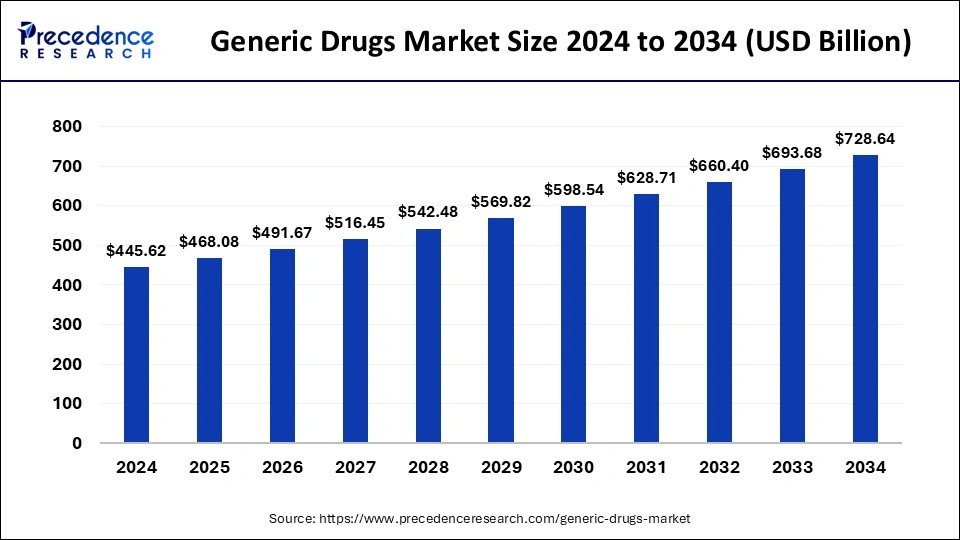
The global generic drugs market was valued at USD 468.08 billion in 2025 and is expected to grow to approximately USD 762.48 billion by 2035, expanding at a CAGR of 5% during the forecast period. The market’s expansion is being driven by rising chronic disease prevalence, increasing healthcare expenditures, patent expirations of branded drugs, and growing demand for affordable treatment options.
Understanding the Importance of Generic Medicines
Generic drugs contain the same active ingredients as branded medications and are designed to provide equivalent therapeutic benefits. These medicines become available after patent protection on original drugs expires, allowing manufacturers to produce lower-cost alternatives.
As healthcare costs continue to rise globally, generic medicines play a critical role in improving access to treatment while helping governments, insurers, and patients manage healthcare expenses more effectively. Their affordability has made them an essential component of healthcare systems in both developed and emerging economies.
Get Sample Link: https://www.precedenceresearch.com/sample/1205
Why Generic Medicines Are Becoming More Popular
Generic medicines have gained widespread acceptance among patients, healthcare providers, and governments due to their affordability and proven effectiveness. These drugs contain the same active ingredients as branded medications and must meet strict regulatory standards before reaching the market.
As consumers become more aware of healthcare expenses, they are increasingly choosing generic alternatives that provide similar therapeutic benefits at a fraction of the cost. This growing trust in generic medicines continues to drive market expansion worldwide.
The Growing Need for Affordable Healthcare
Healthcare spending is rising rapidly across both developed and developing economies. Factors such as aging populations, increasing chronic diseases, and higher treatment costs are placing pressure on healthcare systems and patients.
Generic drugs help reduce the financial burden by offering affordable treatment options. Governments and insurance providers are actively encouraging the use of generic medicines to control healthcare expenditures while ensuring broader access to essential medications. This trend is expected to remain one of the strongest drivers of market growth.
Challenges Generic Drug Companies Face
Despite strong growth prospects, generic drug manufacturers face several challenges. Intense market competition often leads to price pressures, reducing profit margins for companies. Regulatory compliance requirements are becoming increasingly complex, requiring significant investments in quality assurance and manufacturing standards.
Supply chain disruptions, raw material shortages, and product recalls can also affect production and distribution. To remain competitive, manufacturers must continuously improve operational efficiency while maintaining high-quality standards.
Innovation Transforming the Generic Drug Industry
Innovation is playing a key role in shaping the future of the generic drugs market. Pharmaceutical companies are investing in advanced manufacturing technologies, automation, and digital solutions to improve productivity and reduce costs.
Manufacturers are also focusing on developing complex generics, including inhalers, injectables, transdermal patches, and extended-release formulations. These products offer new growth opportunities while addressing unmet patient needs. Technological advancements are helping companies bring high-quality medicines to market more efficiently than ever before.
Key Trends Shaping the Future of Generic Medicines
Several emerging trends are influencing the future direction of the generic drugs industry. One of the most important trends is the growing adoption of biosimilars, which provide lower-cost alternatives to expensive biologic therapies.
The expansion of online pharmacies is also increasing patient access to affordable medicines. Additionally, pharmaceutical companies are expanding into emerging markets where healthcare access is improving and demand for cost-effective treatments is rising.
Digital transformation, artificial intelligence, and data-driven manufacturing processes are further improving production capabilities and supply chain management across the industry.
Why Healthcare Providers Prefer Generic Alternatives
Healthcare providers increasingly recommend generic medicines because they deliver the same clinical outcomes as branded drugs while helping patients reduce treatment expenses. Lower medication costs often improve patient adherence to prescribed therapies, resulting in better health outcomes.
Hospitals, clinics, and insurance companies also benefit from reduced pharmaceutical spending. As healthcare systems continue to focus on cost efficiency and value-based care, generic medicines are becoming a preferred treatment option across various therapeutic areas.
The Impact of Chronic Diseases on Drug Demand
The rising prevalence of chronic diseases is significantly increasing demand for generic medicines. Conditions such as diabetes, cardiovascular diseases, cancer, respiratory disorders, and arthritis require long-term treatment, often resulting in substantial medication expenses.
Generic drugs make these treatments more affordable for patients who need ongoing care. As chronic disease rates continue to rise globally due to aging populations and lifestyle changes, demand for cost-effective pharmaceutical solutions is expected to grow steadily.
Regional Market Insights
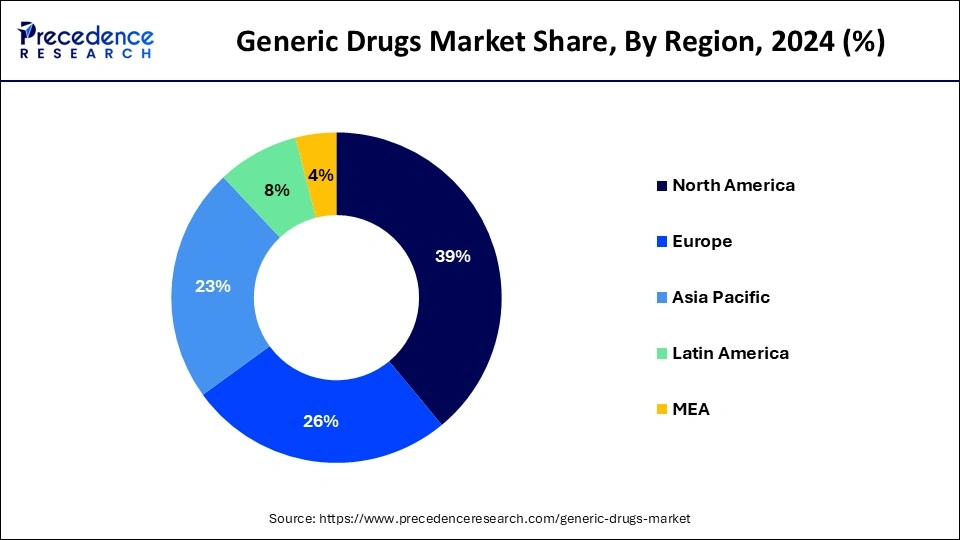
- North America: North America remains one of the largest markets for generic drugs due to high healthcare expenditures, widespread insurance coverage, and strong regulatory support for generic substitution. The United States continues to be a major contributor to market growth, driven by increasing demand for affordable prescription medications.
- Europe: European countries have implemented various policies promoting generic medicine usage to control healthcare spending. Favorable reimbursement structures and government initiatives continue to support market expansion across the region.
- Asia-Pacific: Asia-Pacific is expected to witness the fastest growth during the forecast period. Factors such as large patient populations, expanding healthcare infrastructure, rising chronic disease prevalence, and growing pharmaceutical manufacturing capabilities are driving regional market development.
- Latin America and Middle East & Africa: Improving healthcare access, increasing government healthcare investments, and growing awareness of affordable treatment options are contributing to the adoption of generic medicines in developing regions.
Also Read: https://www.newsgazzete.com/corporate-wellness-market/
Challenges Facing the Industry
Despite strong growth prospects, generic drug manufacturers face several challenges. Intense price competition often leads to shrinking profit margins, while regulatory compliance requirements continue to become more stringent.
Supply chain vulnerabilities, raw material dependence, and increasing market saturation in certain product categories also present operational challenges. Industry discussions increasingly highlight the need for innovation, supply chain resilience, and diversification into complex generics to sustain long-term profitability.
Competitive Landscape
The global generic drugs market features several leading pharmaceutical companies competing through product innovation, acquisitions, strategic partnerships, and geographic expansion.
Key companies include:
- Teva Pharmaceutical Industries
- Viatris
- Sun Pharmaceutical Industries
- Dr. Reddy’s Laboratories
- Cipla
- Lupin
- Aurobindo Pharma
- Sandoz
These companies continue to expand their portfolios in traditional generics, specialty medicines, and biosimilars to strengthen their competitive positions.
Future Outlook
The future of the generic drugs market remains highly promising. Rising healthcare costs, increasing chronic disease prevalence, growing patent expirations, and expanding healthcare access are expected to support long-term market growth.
The industry is gradually shifting from a volume-driven model toward a more innovation-focused approach centered on complex generics, biosimilars, advanced manufacturing technologies, and digital healthcare integration. As healthcare systems continue to prioritize affordability and accessibility, generic medicines will remain a critical component of global healthcare delivery.

