
Stem Cell Therapy Market Size to Reach USD 59.70 Billion by 2035
Stem Cell Therapy Market Size and Forecast 2025 to 2034

What is the Stem Cell Therapy Market Size in 2026?
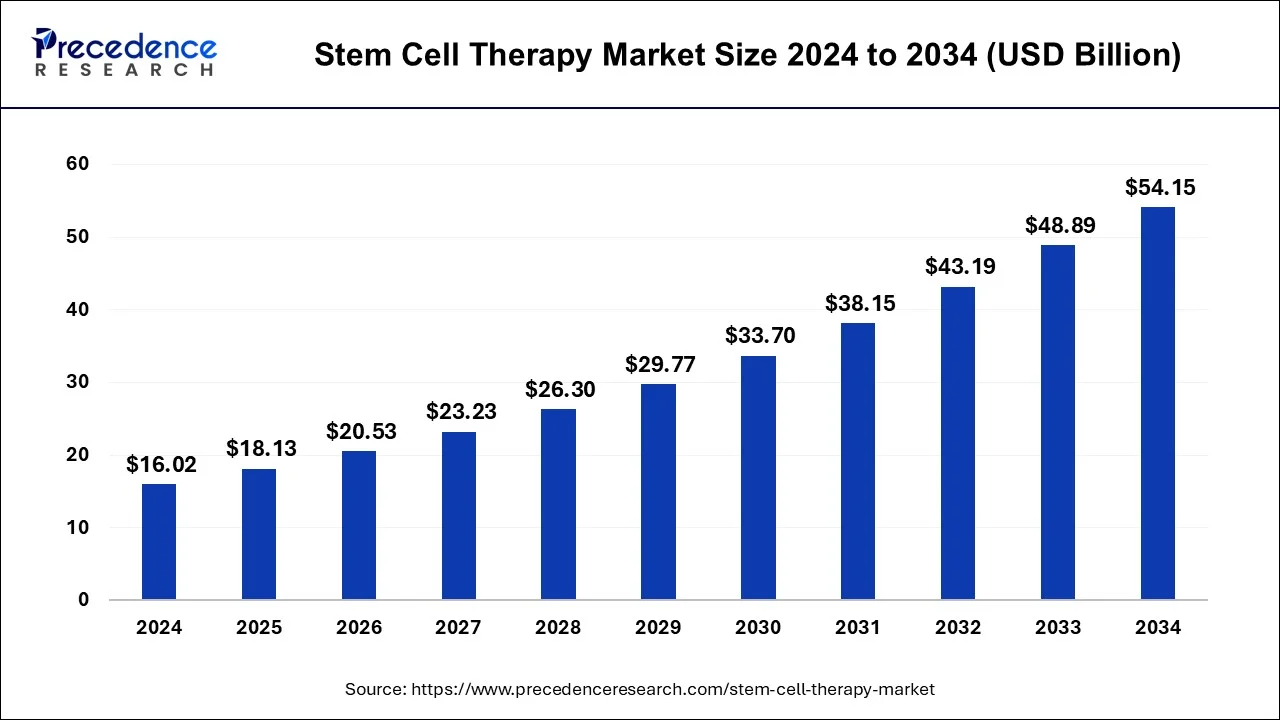
The global stem cell therapy market is witnessing transformative growth, driven by rapid advancements in regenerative medicine, increasing prevalence of chronic diseases, and expanding clinical applications. The market is projected to grow at a CAGR of approximately 11.2% from 2025 to 2034, reaching an estimated valuation of around USD 48.5 billion by 2034.
The surge in demand for personalized medicine, coupled with increasing investments in biotechnology and supportive regulatory frameworks, is accelerating innovation in stem cell-based therapies. Additionally, breakthroughs in gene editing and tissue engineering are unlocking new therapeutic pathways, positioning stem cell therapy as a cornerstone of next-generation healthcare.
What’s Driving the Stem Cell Therapy Market?
The market is expected to surpass USD 48.5 billion by 2034, expanding at a steady CAGR of 11.2%.
North America continues to dominate the global market due to strong R&D infrastructure and early adoption of advanced therapies.
Asia Pacific is emerging as the fastest-growing region, fueled by rising healthcare investments and clinical trial activity.
Adult stem cells represent the leading segment due to their widespread therapeutic applications and ethical acceptance.
Key players such as Novartis, Gilead Sciences, and Mesoblast Limited are actively advancing product pipelines and partnerships.
How Is AI Transforming the Stem Cell Therapy Market?
Artificial intelligence is playing a crucial role in accelerating stem cell research and therapy development. AI-powered platforms are enabling faster identification of viable stem cell lines, optimizing differentiation processes, and improving clinical trial outcomes through predictive analytics.
Moreover, AI-driven drug discovery tools are helping researchers simulate complex biological interactions, reducing time and cost associated with traditional experimentation. This integration is not only enhancing precision in regenerative medicine but also paving the way for scalable and commercially viable stem cell therapies.
What Are the Key Growth Drivers of the Market?
Rising Burden of Chronic Diseases
The increasing prevalence of conditions such as cancer, cardiovascular disorders, and neurodegenerative diseases is significantly boosting demand for advanced therapeutic solutions like stem cell therapy.
Technological Advancements in Regenerative Medicine
Innovations in cell reprogramming, CRISPR gene editing, and 3D bioprinting are expanding the scope and effectiveness of stem cell treatments.
Growing Investment and Funding Support
Government initiatives and private sector investments are accelerating research and commercialization efforts globally.
Market Scope
| Report Coverage | Details |
| Market Size in 2025 | USD 18.13 Billion |
| Market Size in 2026 | USD 20.53 Billion |
| Market Size by 2035 | USD 59.70 Billion |
| Growth Rate from 2026 to 2035 | CAGR of 12.66% |
| Largest Market | North America |
| Base Year | 2025 |
| Forecast Period | 2026 to 2035 |
| Segments Covered | Product, Therapy Type, Application, Technology, End User, and Region |
| Regions Covered | North America, Europe, Asia-Pacific, Latin America, and Middle East & Africa |
What Opportunities and Trends Are Shaping the Future of This Market?
Is Personalized Medicine Creating New Growth Avenues?
Yes, the shift toward personalized healthcare is enabling tailored stem cell therapies, improving treatment outcomes and patient satisfaction.
Are Emerging Markets Becoming Growth Hubs?
Absolutely. Countries in Asia Pacific and Latin America are witnessing rapid growth due to improving healthcare infrastructure and favorable regulatory policies.
Is There a Rise in Stem Cell Banking?
Yes, increasing awareness about future therapeutic benefits is driving demand for stem cell storage services worldwide.
Segment Insights
Type Insights
Based on type, the allogeneic stem cell therapy segment held the largest share of around 59% in 2024. This growth is mainly driven by its increasing use in cancer treatment. As the number of cancer cases continues to rise, the demand for allogeneic therapies is expected to grow further. These therapies use immune cells from a donor to target and destroy cancer cells, making them highly effective for conditions like leukemia, lymphoma, and myeloma.
While the allogeneic segment dominates the market, the autologous segment is also expected to see strong growth in the coming years, with a higher projected CAGR. Autologous therapy uses a patient’s own cells, which significantly reduces the risk of complications and graft rejection. This has contributed to improved survival rates. Additionally, it is often more affordable and considered a lower-risk alternative, which is expected to drive its future demand.
Application Insights
By application, regenerative medicine is expected to hold the largest market share in the coming years. It has already dominated the market with about 93% share and is projected to continue growing steadily. Increasing demand for treatments targeting neurological disorders is a key factor driving this segment.
Governments across the world are investing heavily in regenerative medicine research, and there has been a rise in clinical trial approvals for treating various diseases. These therapies are showing promise in managing chronic conditions such as diabetes, heart disease, and blood disorders.
In addition to regenerative medicine, stem cell technologies are also gaining importance in drug discovery and development, further expanding their market potential.
End-User Insights
Hospitals are expected to remain the leading end users in the stem cell therapy market. Their advanced infrastructure and wide range of treatment options play a major role in this dominance. Hospitals often collaborate with research institutes, enabling the development of innovative therapies.
These partnerships have been crucial in advancing treatment methods and will continue to support market growth in the future.
Regional Insights
The United States remains a key contributor to the global stem cell therapy market. The market is valued at USD 6.75 billion in 2025 and is projected to reach USD 21.31 billion by 2035, growing at a CAGR of 12.18%.
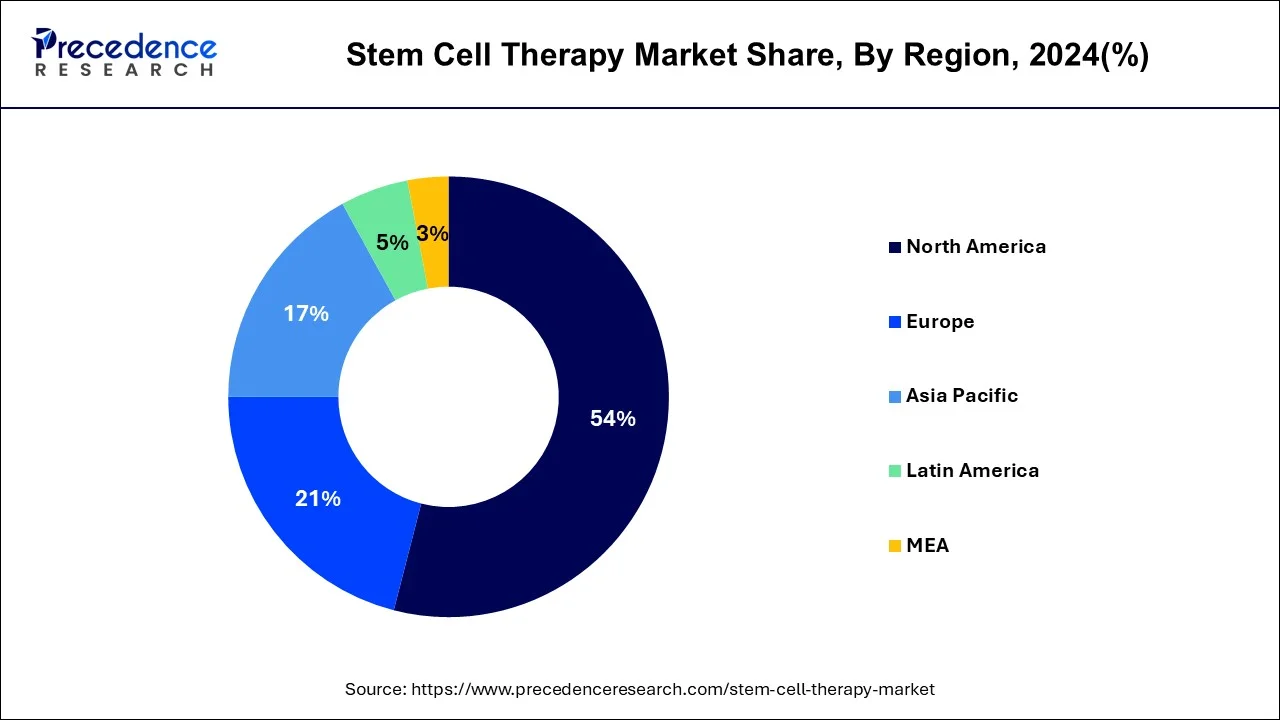
North America has historically dominated the market, holding about 54% share. This is due to the presence of major manufacturing companies, advanced healthcare infrastructure, and strong research and development capabilities. Supportive government policies and favorable reimbursement systems also contribute to market growth.
The Asia Pacific region is expected to grow at the fastest rate, with a CAGR of around 9.2%. Government initiatives and increasing research activities are driving the adoption of stem cell therapies in this region.
Europe Market Trends
Europe has shown steady growth due to strict quality regulations, strong research funding, and increased awareness of regenerative medicine. The region also benefits from well-established clinical trial systems, particularly for rare diseases, heart conditions, and joint disorders.
An aging population and the rising prevalence of chronic diseases are creating demand for safe, regulated, and cost-effective treatments.
Germany stands out as a leading country in Europe due to its advanced research facilities, top universities, and clear safety standards. The country is actively using stem cell therapies for bone repair, neurological disorders, and autoimmune diseases, supported by strong public and private funding.
Latin America Market Trends
Latin America has experienced steady growth, driven by increasing medical tourism, lower treatment costs, and a growing number of private research facilities. Rising healthcare spending and a growing middle-class population are also contributing factors.
Brazil leads the region due to government funding, reduced healthcare costs, and increasing patient demand. The country is actively using stem cell therapies for cardiovascular, orthopedic, and age-related conditions, supported by well-funded research institutions.
Middle East & Africa Market Trends
The Middle East and Africa region is growing steadily due to government investments in healthcare modernization. Countries are building advanced medical facilities and forming partnerships with global biotech firms.
Demand for stem cell therapy is rising for conditions such as diabetes, orthopedic injuries, and even cosmetic treatments. Higher income levels and expanding medical tourism are further supporting market growth.
United Arab Emirates (UAE) is a regional leader, with strong investments in advanced healthcare infrastructure and research facilities. The country offers stem cell therapies for a wide range of applications, including sports injuries, chronic diseases, and cosmetic procedures. Government support for clinical trials and advanced laboratory technologies is also boosting growth.
Trade Analysis of the Stem Cell Therapy Market
India is gradually strengthening its position in the global stem cell market. In FY 2024–25, the country exported 136 shipments of stem cell products to over 20 countries. However, this represented a decline of about 40% compared to the previous year in both volume and value.
Indian stem cell products have reached markets such as New Zealand, Norway, and Qatar. At the same time, countries like South Korea, the United States, and Vietnam remain leading global exporters.
India’s export activity reflects growing global interest in stem cell therapies, especially among developing nations. Meanwhile, major exporting countries are focusing on improving supply chains and expanding their global reach.
Stem Cell Therapy Market Companies
- Caladrius
- CELGENE CORPORATION
- ReNeuron Group plc
- Virgin Health Bank
- Opexa Therapeutics, Inc.
- Pluristem Therapeutics Inc
- STEMCELL Technologies Inc.
- Biovault family
- Precious Cells International Ltd
- Mesoblast Ltd
- Seneca Biopharmaceuticals, Inc.
Segments Covered in the Report
By Product
- Adult Stem Cells (ASCs)
- Hematopoietic
- Mesenchymal
- Neural
- Epithelial/Skin
- Others
- Human Embryonic Stem Cells (HESCs)
- Induced Pluripotent Stem Cells (iPSCs)
- Very Small Embryonic Like Stem Cells
By Therapy Type
- Autologous
- Allogenic
By Application
- Regenerative Medicine
- Neurology
- Orthopedics
- Oncology
- Hematology
- Cardiovascular and Myocardial Infraction
- Injuries
- Diabetes
- Liver Disorder
- Incontinence
- Others
- Drug Discovery and Development
By Technology
- Cell Acquiition
- Bone Marrow Harvest
- Umbilical Blood Cord
- Apheresis
- Cell Production
- Therapeutic Cloning
- In-vitro Fertilization
- Cell Culture
- Isolation
- Cryopreservation
- Expansion and Sub-Culture
By End User
- Hospitals
- Research institutes
- surgical institutes
- Orders
By Region
- North America
- Latin America
- Europe
- Asia-pacific
- Middle and East Africa
Get Sample Link: https://www.precedenceresearch.com/sample/1989
Also Read : https://www.newsgazzete.com/stroke-diagnostic-and-therapeutic-market/

